A goodwill adjustment letter can raise your score

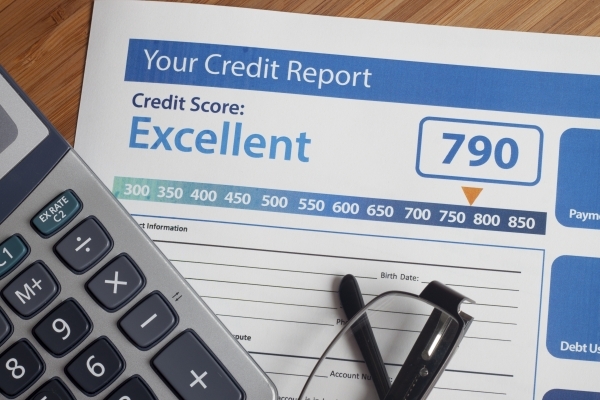





Your credit score is affected by numerous factors, but late payments on your credit card, mortgage and auto loan can be among the worst ways to damage your score. No matter the reason for your tardiness, a late payment tells creditors that repaying the money you've borrowed isn't something you take seriously.
Habitual late payments can drive down your credit score by up to 125 points or more, and put your debt at risk of being sent out to collection agencies — a problem faced by more than one in three Americans, according to a study conducted by the Urban Institute. It's a problem that can hinder or disqualify you from getting loans or lines of credit.
If you've had a recent run in with creditors — or your credit report is plagued by one or more late payments — there are ways to repair the damage you've done. Learn how a goodwill adjustment letter can get you into good graces with lenders and boost your credit score, and how you can write a letter of your own.
Why You Need a Goodwill Adjustment Letter
A goodwill letter is a positive, sincere way of reaching out to lenders and requesting them to remove records of late payments from your credit report. In short, they allow you to take responsibility for your shortfalls while nudging creditors to forgive them. Generally, people who can prove they've experienced a great deal of unexpected financial hardship tend to be most successful with goodwill letters.
A convincing, effective goodwill letter isn't hastily scribbled together in a few minutes — it takes time and effort to craft. Keep these suggestions in mind as you write yours.
Six tips to writing your goodwill letter
1. Write in a polite, courteous, grateful voice
The only thing an angry, threatening or accusatory tone will do is cause your goodwill adjustment request to be trashed. A letter is your chance to show your creditor that you're thankful and appreciative for the time they're taking to consider your request.
2. Own up to your mistakes
Take responsibility for your late payments and thoroughly explain the circumstances surrounding your late payments, even if they weren't deliberate. Be completely honest in your disclosure. If you missed a payment because you were laid up in the hospital, say so. If you lost your job and couldn't afford to pay your bills, explain how you've once more become employed and, therefore, will pay your debts on time. Above all, don't make excuses and definitely don't say you simply forgot to make payments — that won't win you any points with your creditor.
3. Emphasize the positives
Aim to prove to your creditor that you have a positive history of making timely payments. It's important that you send the message that any period of financial hardship — however lengthy — was only temporary, and won't stand in the way of you being on time with payments in the future. Help your creditor see the bigger picture of your credit behavior, instead of focusing only on your late payments.
Likewise, you'll need to follow through on this promise. There's no point writing your letter if you don't intend to stay current on your payments going forward.
4. Point out discrepancies
Is the late payment listed on your credit report an error? If so, you'll need to provide proof to have it removed. Any receipts, checking account statement printouts or other documentation proving that you paid your alleged late payment on time will help you have the discrepancy removed.
As annoying as it might be to discover an error on your credit report, be patient and friendly when trying to have the error amended. Attempts at embellishing or fabricating a mistake on your credit report won't work in your favor either.
5. Map out your future plans
Let your creditor know how their goodwill adjustment will benefit you in the near and distant future. Why is getting the offending late payment removed from your report so important? Telling them that you're trying to qualify for a low APR on a mortgage, small business loan or another type of credit shows that you're taking initiative, and that you care about your credit and personal finances. Additionally, state your continued loyalty to their company.
6. Brevity is important
Your letter might be worth 1,000 words, but don't make it that long. While you should include needed data like your name, address, contact information, account number and the specifics of your situation, keep your letter brief, to a few short paragraphs. Anything longer could cause the person reading the letter to lose interest. Remember to proofread your letter, too, or ask a friend or family member to read it and give their feedback before you send it off.
Be realistic after writing your letter
Written well, a goodwill letter can make all the difference for your credit report. But keep in mind that there are no guarantees. Your creditor isn't obligated to give you any second chances or exceptions.
If your letter-writing campaign is unsuccessful, don't despair. Try following up with a call to your creditor, or by email. Another, more proactive step is to schedule an in-person negotiation with your creditor. A face-to-face interaction can help humanize your goal of modifying your credit report.
Should you reach a dead end at every turn with your creditor, another avenue is to work with a credit counseling agency to find alternatives to repairing your credit. Finally, contacting one of the credit bureaus in charge of your credit report can direct you to a possible solution.